
Black History Month: looking back to live faithfully forward
Black History Month, Sankofa, and the Christian Call to Truth
Christianity is a historical religion. Our core beliefs are anchored in what we confess truly happened in history: God created the universe we inhabit; the Son of God lived among real people 2,000 years ago, was crucified under a Roman governor, died, was resurrected, and ascended into heaven.
For Christians, historical facts matter.
History is not simply about the past; it is the lens through which we understand the present and discern how to live faithfully into the future.
Scripture models this posture for us. The prophets of Israel’s exile were deeply aware of their history. Daniel understood that Israel’s captivity in Babylon was not accidental but the result of accumulated generational sin. Nehemiah confessed before God that the desperate conditions facing the remnant in Jerusalem flowed from Israel’s unfaithfulness. These leaders did not distance themselves from the past; they owned it, lamented it, and sought renewal in light of it.
This is why Black History Month matters for Christians. It is more than a cultural observance, it is an invitation to practice Sankofa, a West African concept meaning “to go back and get it.” We look back in order to understand the present and move forward with wisdom.
For Christians, Black History Month presents two opportunities.
The first is constructive and celebratory: recognizing and giving thanks for the extraordinary cultural, religious, scientific, and social contributions of Black Americans. The Black church, Black scholars, artists, activists, and community leaders have profoundly shaped American Christianity and American democracy, often in the face of overwhelming resistance.
The second emphasis is more painful but no less necessary: confronting the brutal realities of the trans-Atlantic slave trade, the dehumanizing system of chattel slavery, and the century of Jim Crow laws and racial terror that accompanied it. These realities are not peripheral to our story; they are central to understanding how we arrived where we are today.
Proximity
Start with people close to you and stories near to where you live. Learn the history that shaped your own neighborhood.
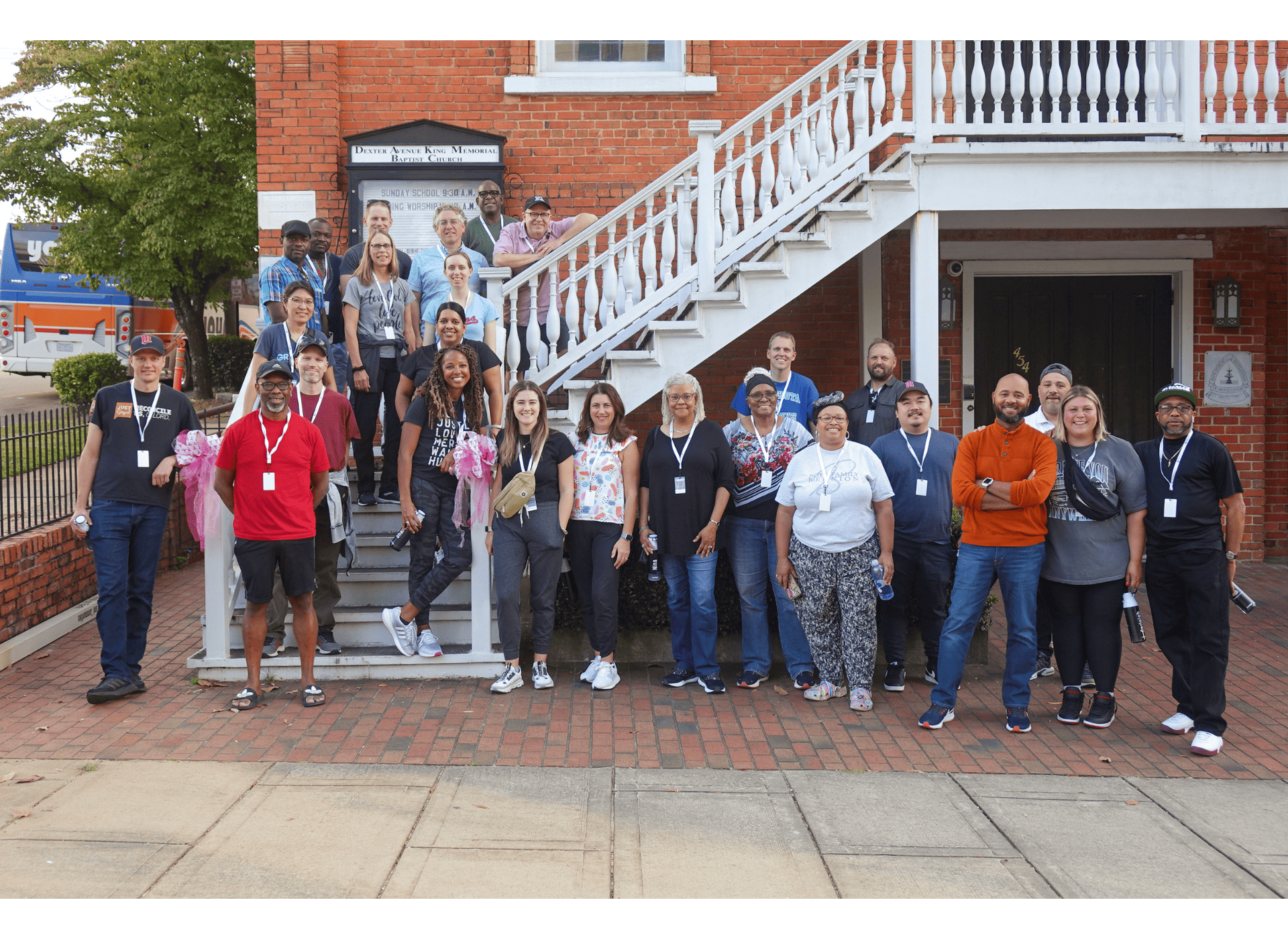
At Transform Minnesota, this is why we invest in Sankofa Trips and Sankofa @ Home experiences—walking the streets of Rondo, listening to elders, and learning how policy, racism, faith, and resilience intersected in Minnesota’s own history. These are not abstract lessons. They are embodied encounters that invite repentance, empathy, and renewed commitment to justice.
History
We also encourage deeper historical learning.
Travel to Montgomery, Alabama, and visit the Legacy Museum and the National Memorial for Peace and Justice, allowing the weight of that history to confront and shape you.
Read The Warmth of Other Suns to understand the Great Migration and its enduring impact.
Watch Jim Crow of the North to learn how redlining and housing policy shaped African American life in Minnesota.
Visit Pilgrim Baptist Church in St. Paul—or explore their online archives—and learn how escaped slaves traveled north along the Mississippi River, found refuge, and established the oldest Black church in Minnesota.
Looking back is not a distraction from our mission. It is part of how we become the kind of people God is calling us to be today. Black History Month is not about assigning guilt or rewriting history. It is about telling the truth, forming Christian character, and learning to live faithfully in light of what has been.