

Worth Without Performance
The Human Person in a Digital Age
By Carl Nelson
Something has changed in the cultural landscape that opens a new and urgent line of reasoning in the debate over the sanctity of life.
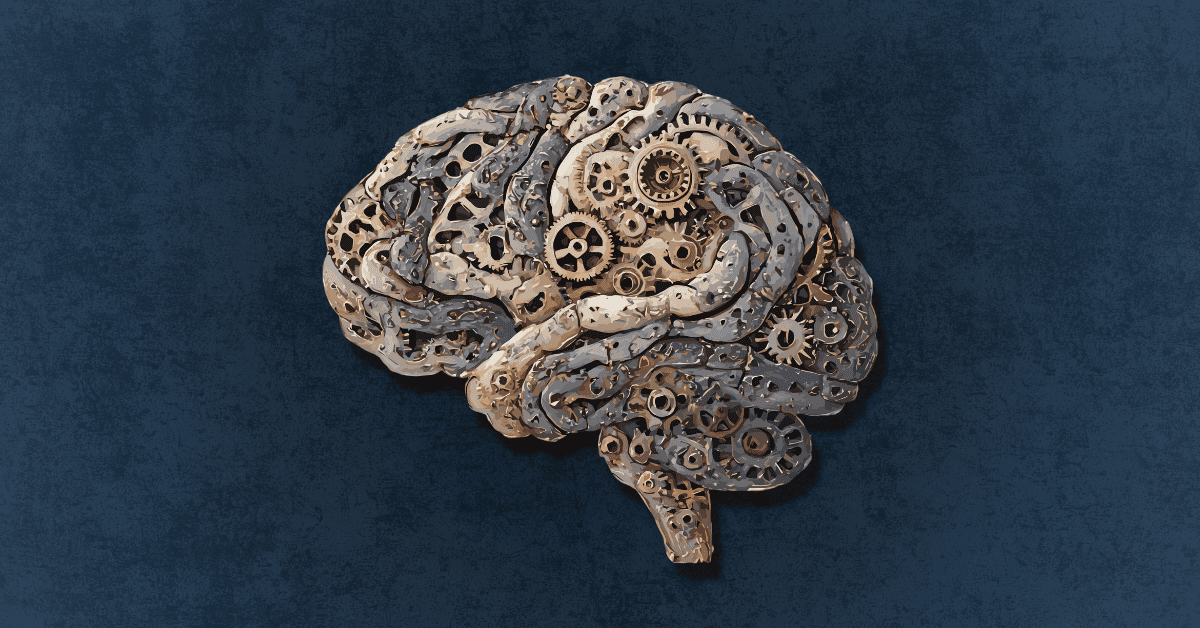
The question is no longer abstract: what makes a human being different from a machine? Artificial intelligence can now write poetry, diagnose cancer, simulate conversation, and perform many tasks we once assumed were exclusively human.
As these systems grow more capable, the pressure is building to define, with some precision, what actually differentiates humans from algorithms and microchips. And if humans do possess a dignity that machines cannot replicate, a second question follows immediately: how do we protect that dignity consistently, for every human being, at every stage of life?
How do we protect that dignity consistently, for every human being, at every stage of life?
Theologian Carl Trueman has traced how the modern self came to be defined from the inside out, by inner feeling, psychological experience, and self-expression rather than by any external source of identity or worth. This is the intellectual architecture behind almost every contemporary argument for abortion rights: the decision belongs to the pregnant person alone because the self is sovereign, and a self that cannot yet speak, feel, or express its identity has, by this logic, no standing to make a claim.
It is a coherent position, but Trueman’s analysis reveals its hidden cost. A dignity that depends on the capacity for self-expression is a dignity that can be withdrawn.
The same logic, applied consistently, does not stop with the unborn. It reaches the very elderly, the severely cognitively impaired, and anyone whose inner life cannot be performed publicly. This is not a slippery slope fallacy. It is the honest conclusion of a philosophy that roots worth in capacity rather than in being.
Pope Leo XIV, in his 2026 encyclical Magnifica Humanitas, put the counter-argument in its plainest form: human dignity does not depend on a person’s abilities, productivity, or developmental stage. It is bestowed prior to all of those things, by the act of creation itself.
The question at the center of the abortion debate is related to the question at the center of the AI debate: are humans actually distinct from machines? If the answer is yes, then that distinction cannot be selectively applied. A worth that is real must be real from the beginning, and it must hold until the end of natural life.
You cannot coherently argue that human beings deserve protection from being replaced or discarded by artificial systems while simultaneously holding that some human beings, at their earliest and most vulnerable stage, may be discarded on the basis of inconvenience or circumstance.
If we are more than machines, we have always been more than machines. And if that is true, it was true before we were born.
Carl Nelson is President and CEO of Transform Minnesota.